


Mental training for handball athletes - the key to success
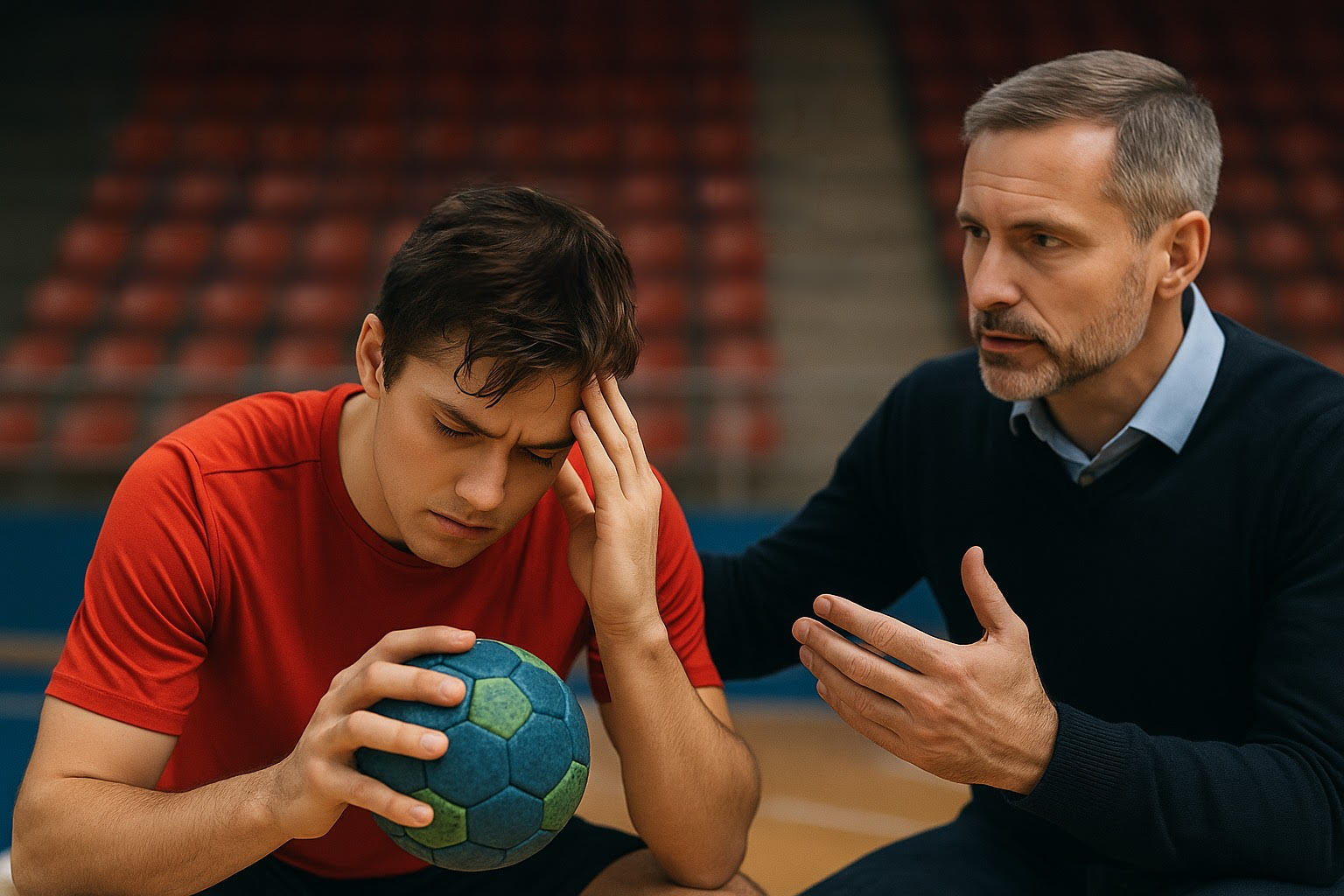

Mental training for handball athletes - the key to success
Modern sport is not only physical and technical preparation, but also the ability to cope with stress, pressure and the right mental attitude. In handball, where the game is dynamic and demanding both physically and tactically, mental training plays a key role.
1. What is mental training?
Mental training is the systematic exercise of mental skills that are designed to help the athlete achieve optimal athletic performance. It includes techniques for concentration, visualization, stress management, motivation and confidence building.
2. Key aspects of mental training in handball
a) Visualization and mental imagery
Visualization is a technique in which a player mentally reproduces the movements and situations of a match. This can include, for example, imagining an effective goal kick, interception of the ball or a successful intervention by the goalkeeper. Studies show that systematic visualization helps improve performance and increases self-confidence.
b) Concentration and control of attention
In handball, it is crucial to stay focused throughout the match. Mental training helps athletes focus on the task, eliminating unnecessary stimuli and avoiding deconcentration. Popular exercises include breathing techniques or mindfulness training.
c) Coping with stress and pressure
The pressure resulting from important matches or the expectations of the fans can affect the game. Players learn relaxation techniques, such as controlled breathing, meditation or autogenic training, which help to remain calm during key moments of the match.
d) Building self-confidence
Self-confidence is the foundation of success. Players who believe in their abilities make better decisions and react faster to changing situations on the field. Mental training helps to eliminate negative thoughts and replace them with a positive attitude.
e) Work on mental resilience
Handball is a contact sport in which failures, mistakes and injuries happen. Mental training helps athletes cope with setbacks, teaches perseverance and builds mental resilience that allows them to come back stronger after difficult moments.
3. Example mental training techniques in handball
- Breathing exercises Controlling your breathing helps reduce stress and improve concentration before and during the match.
- Athlete's Diary Keeping notes of your successes, mistakes and feelings helps you analyze your progress and build confidence.
- Affirmative techniques Repeating positive phrases (for example, “I am well prepared, I will do my best”) strengthens motivation and self-esteem.
- Mental training in simulated conditions — replaying key moments of the match in the head, e.g. taking penalties under pressure.
4. The role of the sports psychologist in mental training
More and more teams and individual athletes are using the support of a sports psychologist who helps to develop individual mental strategies, tailored to the needs of the athlete. Regular work with a psychologist allows you to better cope with emotions, stress and pressure.
summary
Mental training is an integral part of preparing handball players to compete at the highest level. Systematic work on the psyche allows you to improve concentration, increase stress resistance and build self-confidence, which directly translates into sports performance. Incorporating mental exercises into your daily training can be the key to success on the field.
Join our community!
Create a profile and start your handball adventure today!
